Industrial Laser Marking Systems / Laser Markers
3 Ways to Remove Oxidation From Aluminium
-
Tags:
- Metal , Laser Oxide Removal , Laser Cleaning
No manufacturer wants to see oxidised aluminium—it’s an unfortunate discolouration that signifies future corrosion. For example, if an aluminium sheet metal manufacturer has products that are exposed to a humid environment, oxidation or corrosion can be a costly issue. Oxygen in the air reacts with the aluminium, forming a thin layer of aluminium oxide on the exposed areas. This oxide layer is not visible to the naked eye but can weaken the surface and compromise the quality of the aluminium sheets.
Understanding the most effective methods for removing oxide from aluminium is crucial, regardless of whether you're working with oxidised parts or components. Luckily, three aluminium oxidation removal processes are available for various applications and industries. This blog will review the basics of aluminium oxidation, what aluminium is, why it oxidises more than other metals, why oxidation removal matters, and how to remove oxidation from aluminium.
Key Takeaways
- Aluminium oxidation occurs when aluminium reacts with oxygen, forming a dull surface layer that reduces functionality and appearance—removing oxide from aluminium is essential to maintain performance and prevent corrosion.
- Chemical sprays or soaks are commonly used for removing oxide from aluminium in detailed or alloy parts; while effective, they involve hazardous acids and require proper safety and disposal practices.
- Laser ablation is the most advanced and recommended solution for treating oxidised aluminium—it offers precise, non-contact, and eco-friendly removal without damaging the base material.
- Fine-grit sandpaper is a manual method for removing oxide from aluminium; it's low-cost and chemical-free but labour-intensive, less precise, and risks scratching oxidised aluminium surfaces.
- Compared to other methods, laser ablation provides unmatched speed, accuracy, and environmental benefits, making it ideal for manufacturers dealing with aluminium oxidation in various part sizes and complexities.
What is Aluminium?
Aluminium is the most common metal on our planet and provides a great deal of functionality. Aluminium is known for its durability and versatility, but oxidation can weaken its appearance and reduce its usefulness. It’s a soft metal that is easily malleable, can withstand heat, and is corrosion-resistant. Pure aluminium is not naturally occurring and wasn’t produced until 1824, but aluminium sulfates and compounds are found in many naturally occurring metals.
Because of its integration with metals, aluminium is found in various items: kitchen utensils, automotive components, gemstones, window frames, air conditioners, and so on. Considering the versatility, it’s likely that you’re in the presence of an aluminium item right now.
What Causes Oxidation on Aluminium?
Oxidation on aluminium occurs when the metal reacts with oxygen, forming a dull, off-white or greyish layer on its surface. An oxidised layer can alter the metal's functionality and appearance even though it offers some corrosion resistance. Because environmental elements like humidity and pollutants can hasten the oxidation process, the problem must be resolved as soon as possible.
Aluminium oxidation is the beginning of aluminium’s corrosion process after bonding with oxygen. Oxidation occurs to protect the aluminium from corroding further.
Removing Oxide with Laser Markers
The Impact of Oxidation on Aluminium Quality
Oxidation on aluminium can hinder its performance in various applications. For example, oxidised layers can reduce electrical conductivity, affect adhesive bonding, or interfere with coatings. Removing oxidation ensures the aluminium remains functional and attractive.
As mentioned above, aluminium oxidation creates discolouration or an off-white colour. This colouring may be unappealing to look at because it appears dirty. For the practical side of removing aluminium oxidation, conducting frequent cleanings prevents your aluminium from oxidising or corroding further. The longer that the aluminium oxidises, the more difficult it will be to remove. The aluminium oxidation will eventually make the aluminium product perform poorly.
Comparing the Oxidation Removal Methods
Here are three methods when it comes to how to remove oxidation on aluminium:
1. Chemical Sprays or Soaks
Chemical sprays or soaks are sold at retailers like Amazon, Walmart, or Target and are used for intense oxide removals, such as on automobiles or boats. These sprays are made of hydrofluoric acid, sulphuric acid, and phosphoric acid, which requires more protective gear than DIY methods.
Spray or soak the infected area with the chemicals, scrub, and rinse. Then, repeat accordingly. The brand, chemicals, and intensity of aluminium oxidation will determine how long this process takes and specific instructions.
Using chemical sprays or soaks is preferable in low volume settings, especially if the part is an aluminium alloy. These chemicals do not have a reaction with the other metals in the alloy and leave behind a clean finish. For instance, the aerospace industry can benefit from these soaks because of the frequent copper, zinc, and magnesium alloys with aluminium. Additionally, it doesn’t risk creating accidental holes, cavities, or deformities that may affect the functionality of the part, which is possible with sanding.
2. Laser Ablation (Recommended)
Laser technology is the most advanced solution for oxidation removal of aluminium parts. Laser ablation precisely removes oxidation without damaging the underlying material, making it ideal for both industrial and smaller-scale uses.
Laser ablation, also known as laser cleaning, is an automated method for removing aluminium oxidation. Ablation works by using a powerful laser beam with short pulse frequencies to heat the oxidation to the point of evaporation.
There are different types of lasers used for laser ablation. However, at KEYENCE, we recommend a fibre laser or a hybrid laser because of the power capabilities. Using a laser is an automated process rather than a manual one. There isn’t any scrubbing, soaking, or rinsing involved. Instead, the removal process takes a few seconds and is completed in one step.
Laser ablation is ideal for manufacturing operations and excels with parts smaller than 30cm x 30cm. Laser ablation is unique in that it can target precise areas of oxidation even in hard-to-reach spots of non geometric shaped parts. Medical devices benefit from laser ablation because of the corners and curves that may harvest oxidation.
3. Fine Grit Sandpaper
Mechanical abrasives, like sandpaper, physically remove the oxidised layer. Although it is economical, it is time-consuming and may result in uneven surfaces or scratches.
Fine-grit sandpaper is an effective way to remove oxidation without chemicals or heat. It requires a few steps of cleaning pre and post-sanding. The oxidised aluminium can be sanded off with a sanding machine or by manually sanding the part.
First, use a microfibre towel to get the oxidised aluminium area as clean as possible. Once the area is as clean as possible with the microfibre towel, the area must be washed with soap and water.
Pressurised hoses help make the surface as clean as possible. When the area reaches satisfactory cleanliness, it must be dried again with a microfibre cloth. Now, the surface can be sanded. Starting with 240-320 grit sandpaper, smooth the surface and work your way up to fine grit sandpaper of 800-1,000 grit. Once the aluminium oxidation is removed, use a microfibre cloth to remove the dust and spray it down with a hose. Dry with microfibre and add anti-corrosion polish.
This method is ideal for medium-sized surface areas, like the rim of automotive wheels. However, it may not be best for very small or big areas because of how tedious it is.
Speed and Efficiency
Compared to chemical and mechanical methods, laser ablation offers unmatched speed. Particularly beneficial in industrial settings where quick turnaround times are critical and for detailed applications, lasers provide consistent and repeatable results.
Suitability for Different Aluminium Types and Sizes
Whether you’re removing oxide from aluminium panels or intricate components, laser systems adapt seamlessly. A laser's versatility ensures that all aluminium types and sizes can be treated without risking damage.
Environmental and Safety Factors
Laser oxide removal is an eco-friendly method as it eliminates the need for harsh chemicals and minimises waste. Because of its non-contact method, there is less chance of mishaps or material deformation while receiving treatment.
Preventing Aluminium Oxidation
After removing oxidation, applying protective coatings or storing aluminium in controlled environments can help prevent future oxidation. Regular maintenance is key to preserving the metal’s quality and appearance.
How to Safely Remove Oxidation from Aluminium Using Laser Technology
If your organisation is wondering how to clean oxide from aluminium, laser ablation is the gold standard for this process. Here’s why KEYENCE’s laser systems stand out for this task:
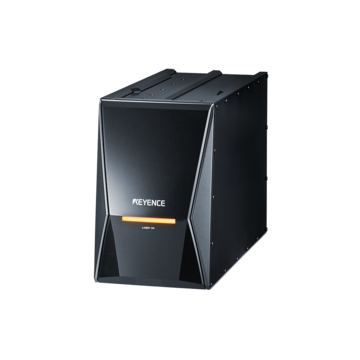
MD-X Series Hybrid Laser Marker
This system offers built-in cameras, full-field autofocus and marking analytics tools.
MD-X
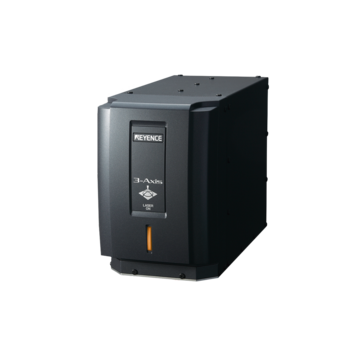
MD-U Series UV Laser Marker
This system excels when it comes to processing without damaging the integrity of the part itself. The 3-Axis technology eliminates tooling changes and allows for a larger field of view.
MD-U
Both systems offer excellent absorption and precision, making them optimal for metal marking applications.
Pros and Cons of Mechanical Abrasives
Mechanical abrasives are a practical choice for small-scale projects but lack the precision and consistency needed for industrial applications. Scratches, uneven finishes, and labour intensity make them less desirable for professional use.
Laser Marking vs. Other Methods for Oxidation Removal
As discussed, laser marking provides unmatched accuracy, effectiveness, and environmental advantages over mechanical and chemical techniques. KEYENCE’s laser systems ensure optimal results, making them the preferred choice for oxidised aluminium treatment.
Looking to Use Laser Ablation?
At KEYENCE, we specialise in laser ablation with our laser marking machines. The laser markers include features like autofocus, 3-Axis control, and integration of CAD data to make the aluminium oxidation removal process quick and easy on any target. From tiny metal tools to large automotive parts, the strength and positioning skills of the hybrid and fibre laser tackle anything.
Ready to see laser aluminium oxide removal in person? Contact KEYENCE to request a demo or discuss any questions regarding your aluminium oxide removal needs!